ISS Leadership Search was honored to support the
Middle School Principal search for the
Kaohsiung American School in Kaohsiung, Taiwan. Congratulations to
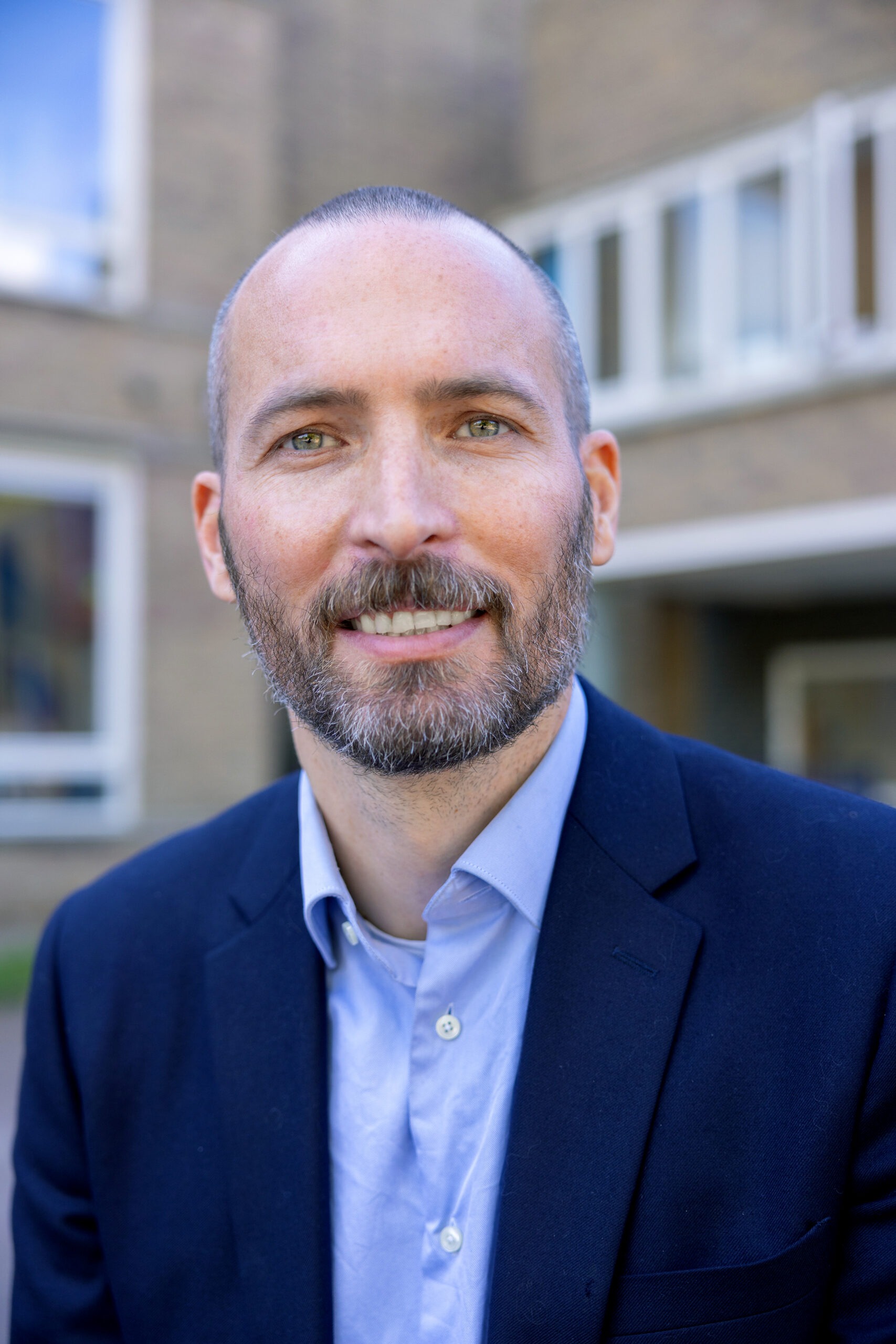
Patrick Severijns for accepting the position, beginning July 2026! Patrick currently serves as the Deputy Head of School at the International School Groningen.
Patrick holds a Bachelors Degree in K-12 Physical Education from The Hague University of Applied Sciences, a Masters in Education for Advanced Studies at the American College of Education, and a Masters in Educational Leadership & Management from the University of Portsmouth.
He has been a Head of K-12 Physical Education at the American School of London, Middle School Physical and Health Education Teacher at Zurich International School, and Head of Year MYP 2, 3, & MYP Physical and Health Education Teacher at the United World College of Maastricht.
In this feature, read about Patrick’s passion for education, commitment to fostering global citizenship, and how his diverse experiences — both personal and professional — shape his approach to education and leadership.
What drew you to pursue the world of education? And what drew you into international education specifically? In middle and high school, I hated almost everything about school, as it felt that the education seemed built to spotlight what students didn’t know and penalise them for it, rather than recognising what they did know and building on it. I resisted that model for years. With hindsight, that frustration wasn’t just teenage rebellion; it was a signal. It pointed to a conviction: learning should never minimise young people to a list of deficits, or make them feel invisible. That belief led me into education. I entered the profession with a simple, stubborn hope: to design learning in which every student is genuinely seen for their strengths, perspectives, and potential. Academic success matters, but the deeper aim is sustainable growth, confidence, curiosity, agency, self-belief, and purpose. At the heart of this is something schools too often treat as an optional ‘nice-to-have ‘: joy. Joy isn’t a byproduct of learning; it’s ignition. When one mind lights up, it warms the room. When many do, it becomes culture. When students experience joy through meaning, connection, challenge, laughter, and belonging, they open up: they take risks, persist longer, and recover faster when learning gets hard. Joy doesn’t dilute rigour. It sustains it. This is also why international education resonates with me. In diverse communities, difference isn’t an inconvenience to manage; it’s an asset to learn from. It asks educators to design with intention, differentiate meaningfully, and let go of the illusion that one size fits all.